What to Do When Consumers Complain about Foreign Objects in Wet Wipes?
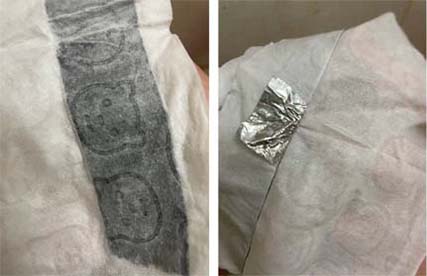
Recently, a wet wipe manufacturer sought our help due to consumer complaints about the presence of dark metal-like foreign objects in their products. Upon inspection, we found that the foreign object was metal tape fragments. So, why did metal tape fragments end up in the wet wipes?
To answer this, we first need to understand the source of the metal tape. Metal tape is an essential material used in the wet wipe production process. During production, to ensure continuous machine operation without stopping, the machine automatically connects the working roll of nonwoven fabric with a new roll that is ready for use. This connection requires metal tape to bond the two rolls together. After the wet wipe machine completes the splice, the used metal tape will automatically become part of the nonwoven fabric.
1. The Source and Use of Metal Tape
In the wet wipe production process, to ensure the machine runs continuously, the machine automatically joins the incoming roll of nonwoven fabric with the one nearing the end of its use. Metal tape is used to bond the two rolls during this splicing process. Although metal tape is an essential part of production, if not properly managed or detected, fragments of this tape can inadvertently be incorporated into the wet wipe products as foreign objects.
2. Preventive Measures for Metal Tape Contamination
Factories typically adopt the following three methods to prevent the metal tape used for splicing from contaminating the wet wipes:
Metal Sensors Built into the Machines
-Wet wipe production machines are usually equipped with metal sensors. When the metal tape passes through the sensor, it sends a signal to the machine’s corresponding device to remove the tape, preventing it from entering the final product.
-However, the sensitivity of these sensors may not be sufficient to detect smaller fragments of the metal tape. Regular checks on the sensor's sensitivity are necessary to ensure it is functioning at its best.
Independent Metal Detectors at the End of the Production Line
-To further ensure product safety, many factories install an independent metal detector at the end of the production line. This detector scans the final product for metal contaminants, and if any are detected, the entire wet wipe package is removed.
-An independent metal detector not only detects metal tape fragments but also any other potential metal contaminants, enhancing overall product safety.
Manual Inspection During Production
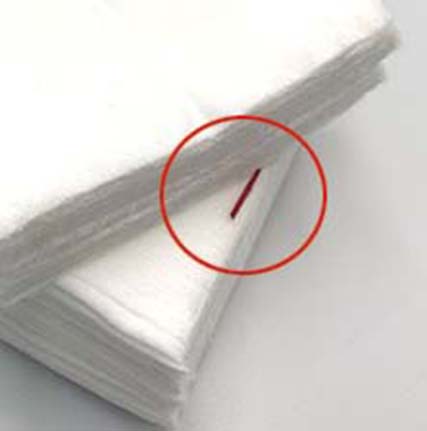
-To prevent machine errors from allowing metal tape to remain in the final product, factories require operators to manually track and verify all metal tape used during production.
-Operators are responsible for checking and confirming the number of metal tape pieces used in production and ensuring that no tape is left in the product. This manual inspection acts as an additional safeguard if a machine fails to detect the metal fragments.
3. Case Study Analysis
In the case of the wet wipe manufacturer mentioned, we found that they were relying solely on the machine’s built-in metal detection system. However, the sensitivity of the sensor was insufficient, and operator inexperience led to incorrect settings in the tape removal program, resulting in metal tape fragments being left in the final product.
To address this issue, we implemented the following measures:
3.1- Replacing the Metal Sensor and Adjusting the Removal Program
We assisted the manufacturer in replacing the metal sensor with one of higher sensitivity and recalibrated the tape removal program to ensure that even smaller fragments of metal tape would be detected and removed.
3.2- Installing an Independent Metal Detector at the End of the Line
We recommended installing an independent metal detector at the end of the production line for secondary checks on the final wet wipe packages. This would help ensure any missed metal tape fragments are caught before the product reaches consumers.
3.3- Operator Training and Manual Review
--We emphasized the importance of training operators to properly handle metal tape and use the metal detection equipment correctly. Operators were also trained to manually verify the number of metal tapes used during production to ensure proper handling.
--Additionally, we introduced a manual review process to regularly check that all metal tapes had been correctly removed, reducing the risk of contamination caused by machine failure or human error.
4. Conclusion
Preventing metal contamination in wet wipes requires comprehensive control measures throughout the production process. By improving equipment detection systems, installing independent metal detectors, and enhancing production management, manufacturers can significantly reduce the risk of metal tape fragments and other foreign objects contaminating their products. Factories should regularly inspect equipment, conduct training for operators, and implement manual checks to ensure the high quality and safety of their wet wipe products, thereby maintaining consumer trust and protecting brand reputation.