From Jumbo Rolls to Final Seal: An In-Depth Look at the Flat-Pack Wet Wipes Production Process
Click to watch related video
How Are Flat-Pack Wet Wipes Produced?
In the traditional flat-pack style of wet wipes packaging, the process involves a sequential and precise set of steps to transform raw non-woven fabric into neatly packed wet wipes, ready for distribution.
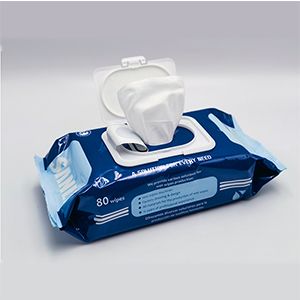
Here’s a streamlined look at the process:
Unwinding the Jumbo Roll: The large roll of non-woven fabric is placed on the unwinding device of the wet wipes machine.
First Cut for Width: A slitter cuts the fabric to the necessary width for individual wipes.
Folding: The machine’s folding unit aligns the fabric according to product requirements.
Humidification: The machine's tube applies wet wipe solution evenly, layer by layer.
Second Cut for Length: A rotary cutter trims the wet fabric to the correct length.
Stacking by Count: A PLC counter stacks the wipes to the specific amount needed per pack.
Packaging and Sealing: The stacked wipes are fed into a packaging machine, sealed in three-side-sealed plastic bags.
Lid Application (Optional): A lid applicator attaches plastic lids if required by the product design.
Cartoning/Case Packing: The wipes are placed into cartons for secondary packaging and sealed.
Palletizing: Cartons are stacked onto pallets for transport.
Stretch Wrapping: The palletized stacks are wrapped in plastic film to prevent shifting or damage during transit.
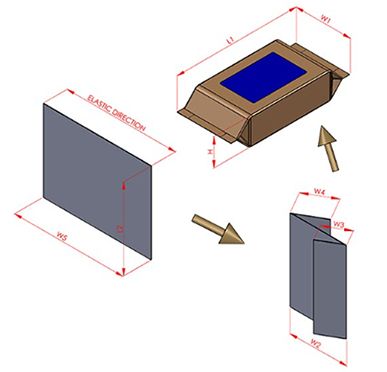
This approach keeps the wipes clean, sealed, and organized, ideal for long-distance distribution. Each step is optimized to maintain the quality and functionality of the product from start to finish.