What Are the Key Criteria for Testing Non-Woven Fabrics for Wet Wipes?
Non-woven fabric is the core raw material in wet wipe production, and its quality is directly tied to the performance of the final product. Additionally, it represents a significant portion of the overall cost in wet wipe manufacturing. To ensure product quality, wet wipe manufacturers must perform thorough testing on non woven fabric for wet wipes upon arrival. This article will detail the key testing standards that non woven fabric for wet wipes must pass to meet industry requirements, as well as how these tests impact the fabric's performance, hand-feel, and user experience.
1. Basis Weight Testing
Basis weight measures the weight of the non woven fabric for wet wipes per unit area, which directly impacts the thickness and feel of the wet wipes. A higher basis weight means the fabric will feel thicker and more substantial, giving users a sense of durability and quality. Heavier non woven fabric for wet wipes generally has a more robust hand-feel, which can make the wipe feel more effective and absorbent during use. On the other hand, lighter basis weights may make the product feel less substantial and lighter.
Testing Standard: EDANA 40.3-90
2. Thickness Testing
The thickness of the non woven fabric for wet wipes is crucial for determining its absorbency, strength, and hand-feel. A thicker fabric often feels more "substantial" and comfortable in hand, providing the user with a sense of quality. Consumers tend to associate thicker non woven fabric for wet wipes with better cleaning power, and thicker wipes are less likely to tear during use. Thinner wipes, however, might feel lighter and less sturdy, potentially affecting user satisfaction. Thickness also impacts how much liquid the wipe can hold, directly influencing its practical performance.
Testing Standard: EDANA 30.5-99
3. Dry Tensile Strength (MD and CD)
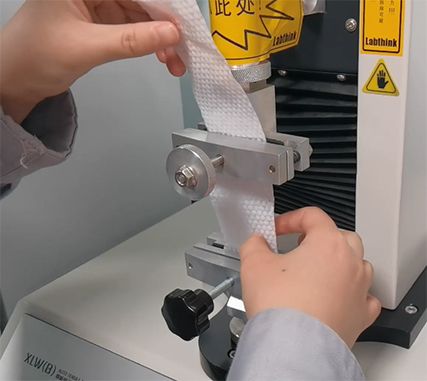
Tensile strength, both in the machine direction (MD) and cross direction (CD), is a key standard for determining the durability of the non woven fabric for wet wipes during use. A higher tensile strength means the fabric can withstand more force before breaking, giving the wipe greater resistance to tearing when being pulled or stretched. This is particularly important in wet wipes, where consumers expect the product to maintain integrity under pressure. Stronger wipes feel more durable and reliable, while wipes with lower tensile strength may feel flimsy and prone to breaking. Higher MD and CD strength contribute to a sense of quality and reassurance during use, particularly when scrubbing or applying force.
Testing Standard: EDANA 20.2-89
Testing Method: Tensile strength is measured separately in both MD and CD.
4. Elongation Testing (MD and CD)
Elongation measures how much the non woven fabric for wet wipes can stretch before it breaks, which affects the flexibility and resilience of the wipes. Fabrics with higher elongation provide more "give" when being pulled, resulting in a more elastic and resilient product. This makes the wipes feel softer and less rigid during use, which can enhance user comfort, especially when wiping sensitive areas like the face or hands. Lower elongation rates indicate a stiffer fabric, which might tear more easily under tension. Balancing elongation and tensile strength ensures that the wipe is both durable and flexible, contributing to a more satisfying user experience.
Testing Standard: EDANA 20.2-89
5. Absorbency Testing
Absorbency is one of the most important features of non woven fabric for wet wipes, as it determines how quickly and efficiently the fabric can soak up liquids. A high-absorbency non woven fabric for wet wipes will absorb liquids faster and retain more moisture, providing a more effective cleaning experience. Consumers expect wipes to feel moist but not overly saturated, and to absorb any excess liquid during use. A fabric with poor absorbency might leave excess moisture on the surface or fail to clean effectively. This test ensures that the wipe is optimized for performance, with the right balance of moisture retention and absorption.
Testing Standard: EDANA 10.3-99
6. Whiteness Testing
Whiteness is an important visual quality standard for non woven fabric for wet wipes. A higher degree of whiteness is associated with cleanliness and purity, which is particularly important for products used on the skin. Consumers tend to trust products that appear clean and bright, as this reinforces their perception of quality. A dull or off-white color could negatively impact the user's perception, even if the wipe performs well in other aspects. Thus, whiteness testing ensures that the product meets consumer expectations for appearance, which is often linked to perceived efficacy and safety.
Testing Standard: EDANA 100.1-78
7. Moisture Regain Testing
Moisture regain refers to the water content in non woven fabric for wet wipes, and while this might not directly affect the user’s experience, it has significant implications for product storage and quality control. If the moisture content is too high, it can lead to issues such as mold growth during long-term storage or transport, especially in humid or high-temperature conditions. On the production side, controlling moisture regain helps prevent costly issues like spoilage, ensuring the fabric retains its quality throughout the supply chain. Moisture regain testing is essential for maintaining product stability and ensuring that the wipes can be safely stored without risk of contamination.
Testing Standard: ISO 6741 or EN ISO 139
8. Microbial Testing: Bacteria and Fungi
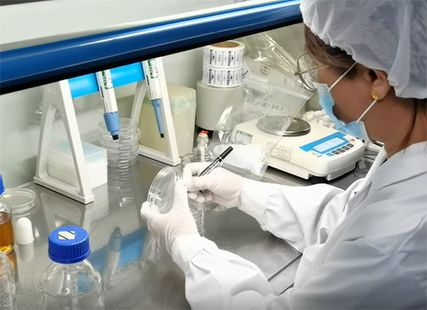
Hygiene is critical for non woven fabric for wet wipes, particularly for medical or baby care applications. Microbial testing ensures that the fabric is free from harmful levels of bacteria and fungi, which could otherwise lead to health risks. While users might not directly perceive the presence of bacteria or fungi, ensuring microbial safety is essential for regulatory compliance and product safety. This test provides confidence that the wipes are safe for sensitive applications and won’t introduce harmful microorganisms to the skin or environment.
Bacteria Testing Standard: ISO 11737-1
Fungi Testing Standard: ISO 14698-1
9. Appearance Testing
The visual quality of non woven fabric for wet wipes must meet strict appearance standards. Inspections focus on ensuring there are no visible stains, discoloration, damage, or foreign particles. A well-made wipe should look clean, uniform, and free from defects. Any visual imperfections could affect the consumer’s trust in the product’s hygiene and quality. Aesthetics play a significant role in consumer perception, and even if the wipe performs well, poor appearance could diminish its appeal.
Conclusion
Testing non woven fabric for wet wipes upon arrival is a critical step in the wet wipe production process. By thoroughly assessing basis weight, thickness, tensile strength, elongation, absorbency, whiteness, moisture regain, and microbial presence, manufacturers can ensure their products meet quality standards, reducing production risks and defects. This rigorous testing process ensures the stability and reliability of the final wet wipe product, providing consumers with a high-quality, effective, and safe product.