Investing in the Wet Wipes Industry: A Roadmap from Flat Pack to Cross-Folded
Investing in Wet Wipes from Flat Pack to Cross Folded
As demand in the wet wipes industry continues to grow, different folding and packaging methods have become mainstream. For investors, understanding these production methods and their market demand is crucial. This article explores the differences between Flat Pack wet wipes and Cross-Folded wet wipes from an investment perspective, offering a clear roadmap for market entry, and highlighting the role of wet wipes machines in production.
Market Status of Wet Wipe Folding and Packaging Methods
Currently, the main packaging options for wet wipes include three-side-sealed plastic bags, plastic buckets, and stand-up pouches. Of these, three-side-sealed plastic bags are the most common, with categories such as single-sheet wet wipes, portable packs (10-30 sheets), and large packs (50+ sheets). The packaging method not only defines the usage scenario but also determines the type of wet wipes making machine required for production.
Since wet wipes are often large (e.g., 20cm x 15cm or 20cm x 20cm) when unfolded, they must be folded before packaging. The folding method directly impacts packaging size and consumer convenience. The two most common folding methods in the market are Flat Pack wet wipes and Cross-Folded wet wipes, each catering to different market needs and requiring specialized wet tissue machines.
Step 1: Invest in Flat Pack Wet Wipes
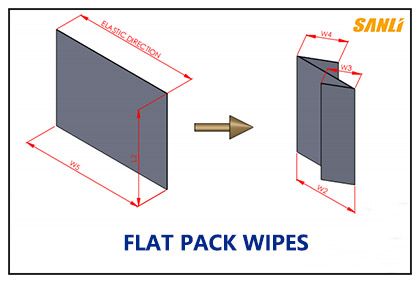
For most investors, the first step into the wet wipes industry is producing Flat Pack wet wipes using high-efficiency wet wipes machines. These large packs (typically 40-120 wipes) are widely used for baby care, household cleaning, and kitchen use, making them the most popular wet wipe product on the market.
Flat Pack Wet Wipe Production Equipment Features:
Mainstream Z-fold method: Flat Pack wipes use a simple Z-fold, making production straightforward with a standard wet wipes making machine.
Efficient production: The equipment can achieve high-speed production, meeting the large-scale demand for these wipes.
Step 2: Expand into Cross-Folded Wet Wipes
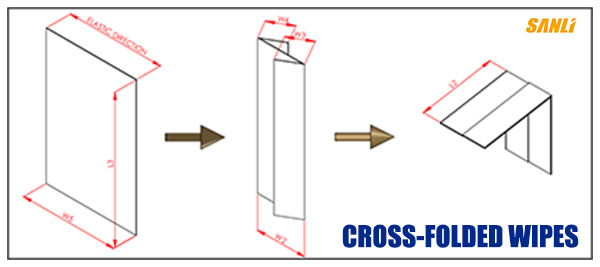
After establishing a solid presence in the Flat Pack market, investors can expand into Cross-Folded wet wipes. These smaller, portable packs (10-35 wipes) are ideal for travel, makeup removal, and personal hygiene. The Cross-Folded wipes add an extra fold to the Flat Pack, making them more compact and suited to the portable market. This requires adjustments to the wet wipes machine to accommodate the additional folding step.
Cross-Folded Wet Wipe Production Equipment Features:
Lower efficiency: The additional folding step requires more complex settings on the wet wipes making machine, resulting in lower production speed compared to Flat Pack wipes.
Lower investment cost: While less efficient, the initial investment in equipment for Cross-Folded wipes is lower, making it a viable option for expanding product lines.
Conclusion
For new investors in the wet wipes industry, starting with Flat Pack wet wipes is highly recommended due to their large market demand and efficient production process using a standard wet wipes machine. This approach allows investors to quickly establish market presence and generate steady cash flow. As the business grows, expanding into Cross-Folded wet wipes can diversify the product line and meet the demand for portable wipes, with the right adjustments to the wet tissue machine.