Watch Out! Your Non-Woven Fabric Might Be Getting Eaten by the Wet Wipes Machine – Part II
In wet wipe production, choosing the right equipment is crucial. Besides the passive unwinding machines we discussed earlier, another type of wet wipes making machine is still used but is gradually being phased out—the Jumbo Roll Wet Wipes Machine. This equipment uses extra-large non-woven fabric rolls (or “jumbo rolls”) as the input material, which is loaded into the wet wipes machine’s feeding system and then slit into narrower strips for making wipes. Although this equipment once had certain production efficiency advantages, its flaws in slitting accuracy and material consistency often lead to non-compliant product specifications, which is one reason it’s being gradually phased out in the Chinese market.
Jumbo Roll Wet Wipes Machine: How It Works and Its Current Status
The operation of the jumbo roll wet wipes making machine is relatively straightforward. Wet wipe raw materials are supplied in jumbo roll form, typically 1 meter wide. This wide fabric is mounted on the machine and then passed through a series of rotary blades, cutting it into equal sections. For instance, a 1-meter-wide roll can be divided by four rotary blades into five strips, each approximately 20 centimeters wide, matching standard wet wipe specifications. While initially designed for high efficiency, this type of wet wipes machine has now been mostly replaced in the market, surviving only in regions where product specifications are less strict, such as parts of South America, particularly Brazil.
Key Issues with Jumbo Roll Wet Wipes Machine
The primary issues with the jumbo roll wet wipes making machine stem from slitting accuracy and related material consistency problems, both of which directly impact the dimensional consistency and quality of the final product. These issues have contributed to the Chinese market's gradual disappearance of jumbo roll wet wipes making machines.
1- Inadequate Slitting Precision
In the process of slitting the jumbo roll into multiple sections, such as when the wet wipes machine evenly slits a 1-meter-wide non-woven fabric into five 20-centimeter segments, side-to-side movement of the jumbo roll is almost unavoidable. This movement directly causes width discrepancies in the two outermost strips, making it nearly impossible to achieve precise slitting widths. As a result, the width may either exceed or fall short of the intended 20 centimeters. This kind of error is nearly inevitable during production, impacting product consistency and compliance rates.
2- Real-world data Highlighting Specification Issues
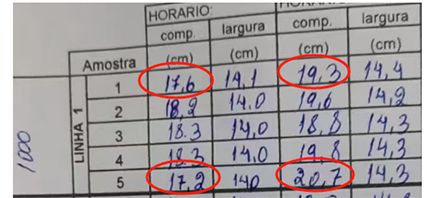
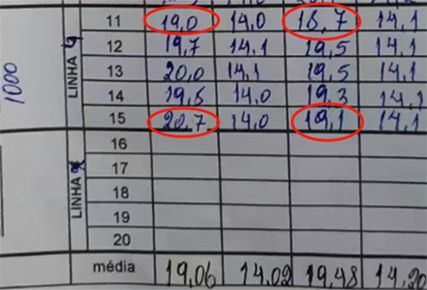
Below is actual production data from a jumbo roll wet wipes machine manufactured by an experienced Chinese wet wipes machine manufacturer, recorded at a wet wipe manufacturer’s facility. The data clearly illustrates the issues discussed. In production, the manufacturer used jumbo rolls of non-woven fabric with a GSM of 35 and a width of 1 meter as input material. The machine was set to divide this roll into five strips, each with a target width of 20 centimeters. However, the actual recorded widths for the final wet wipe product, especially the two outermost strips on the jumbo roll (marked in red in the accompanying chart), significantly deviated from this target. Additionally, overall width measurements were inconsistent. This margin of error directly results in products that fail to meet specification standards, potentially leading to quality issues and brand reputation risks for customers who require strict product specifications.
Exercise Caution When Selecting Jumbo Roll Equipment
For producers with strict dimensional requirements for wet wipes, caution is advised when considering jumbo roll wet wipes making machines. The slitting inaccuracies inherent to this equipment often prevent finished products from meeting precise specifications. Unless your target market is more lenient with dimensional accuracy, carefully reconsider using jumbo roll machines. The inability to achieve consistent widths is a primary reason why this equipment is being gradually phased out in China.
In summary, jumbo roll wet wipes machines may still be viable for markets with low precision requirements and tolerance for dimensional variation. However, for high-standard wet wipe production, choosing standard-width slitting machines or active-drive wet tissue machines that ensure consistent dimensions and quality is recommended. This helps avoid the dimensional inaccuracies commonly associated with jumbo roll machines and ensures your product meets the required specifications.